Fire Alarm Compliance – Who Is Responsible?

09-06-2026


There’s a common misconception in commercial properties that once a fire alarm system is installed and being serviced, the responsibility for compliance sits entirely with the alarm contractor or maintenance provider.

In reality, that isn’t the case.

In Northern Ireland, fire safety law is set out under The Fire and Rescue Services (Northern Ireland) Order 2006 and The Fire Safety Regulations (Northern Ireland) 2010, which places legal duties on the “appropriate person” for a premises. This is typically the employer, building owner, landlord, occupier, or property manager (essentially whoever has control over the premises) and includes responsibility for ensuring fire safety measures, including detection and alarm systems, are properly maintained and managed.
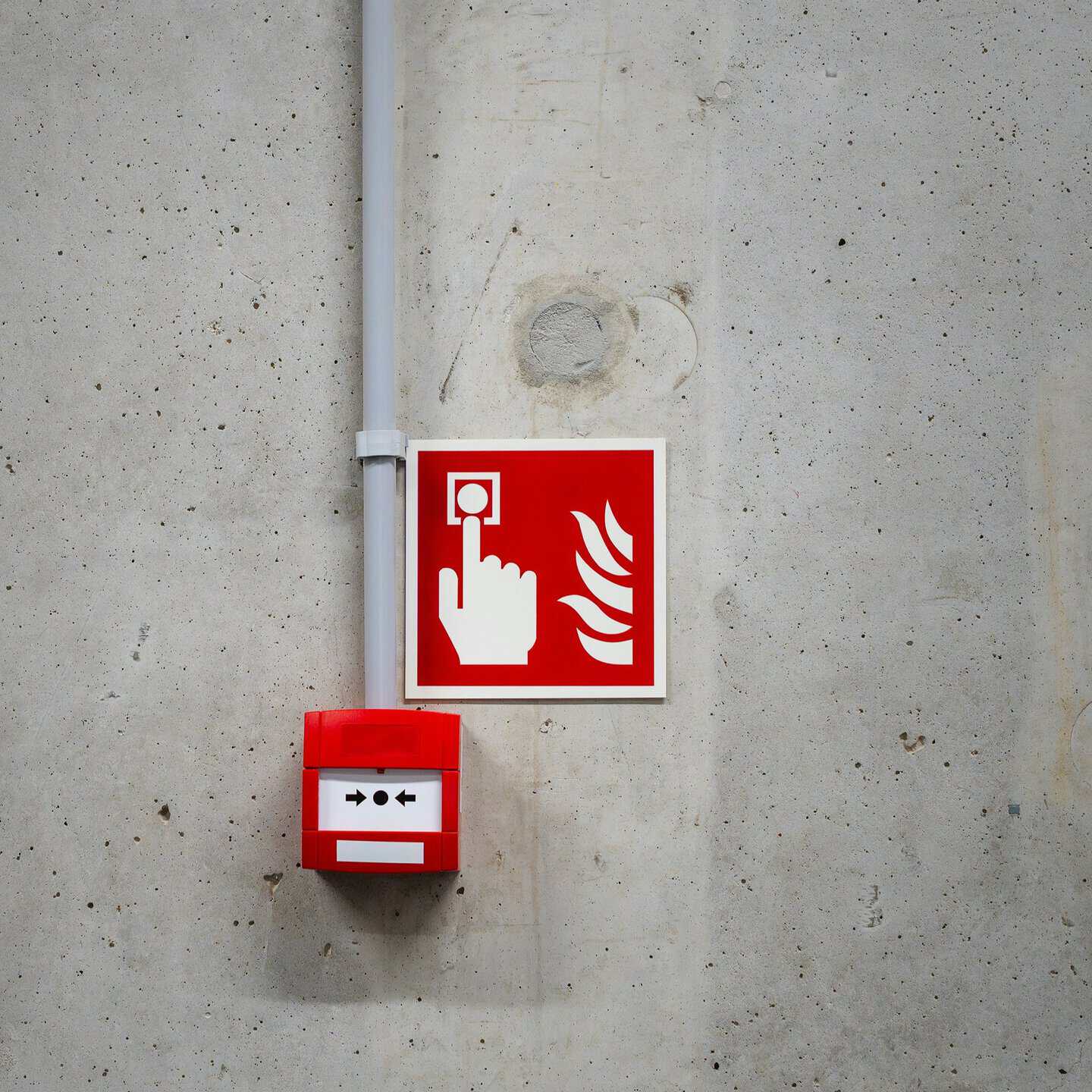
What that responsibility actually includes

While fire alarm contractors are responsible for carrying out professional servicing and maintenance, the Appropriate Person must ensure:

  • The system is properly maintained
  • It is regularly tested (including weekly tests by the user)
  • Any faults are identified and acted on in a timely manner.

Fire drills should also be carried out regularly to ensure occupants know how to respond in the event of an alarm.

It’s not just about arranging a service visit from the maintaining company. It’s about ensuring the system is actively managed in between visits as well.

This is where issues can sometimes start to appear in busy commercial environments, particularly where responsibility is assumed to sit elsewhere or becomes unclear across teams.

The importance of user testing

One key area that is often overlooked is routine user testing.

In commercial buildings, BS5839-1 recommends that the fire alarm system is tested weekly, typically using a different manual call point on rotation.

This simple process helps to confirm:

  • Manual call points are working correctly
  • The alarm activates as expected throughout the building
  • Sounders and circuits are functioning properly
  • The occupants know the sound of the fire alarm
  • The system is performing as intended between service visits.

It also provides an early opportunity to identify small issues before they develop into larger faults or recurring problems.

While it is a basic check, it plays an important role in demonstrating that the system is being actively managed, not just maintained on paper.

Why it matters

Across the UK, fire services attend hundreds of thousands of unwanted fire alarm activations each year, with a significant proportion linked to system faults, poor maintenance practices, or lack of regular testing and attention between service visits.

In Northern Ireland specifically, the Northern Ireland Fire & Rescue Service (NIFRS) continues to highlight unwanted fire alarm signals as a recurring operational issue, many of which are preventable through proper system management.

Beyond disruption, repeated false alarms can also lead to:

  • Reduced confidence in the system among staff
  • Evacuation fatigue or slower responses over time
  • Operational downtime for businesses
  • Unnecessary emergency service attendance.

In short, even minor issues can have a much bigger impact if they are not addressed early.

Keeping systems reliable

Fire alarm systems rely on a combination of professional servicing and day-to-day management within the building. When both are in place, the system remains reliable and fit for purpose.

When either side is missing – whether that’s unclear responsibility, lack of routine testing, or delayed attention to faults – performance can gradually decline without it being immediately obvious.

If you’re unsure whether your current arrangements are sufficient, or you want a second opinion on how your fire alarm system is being managed, it may be worth having it reviewed.

For more information, get in touch with us today.

Fire Alarm Compliance – Who Is Responsible? Reviewing Compliance Documents for a commercial building